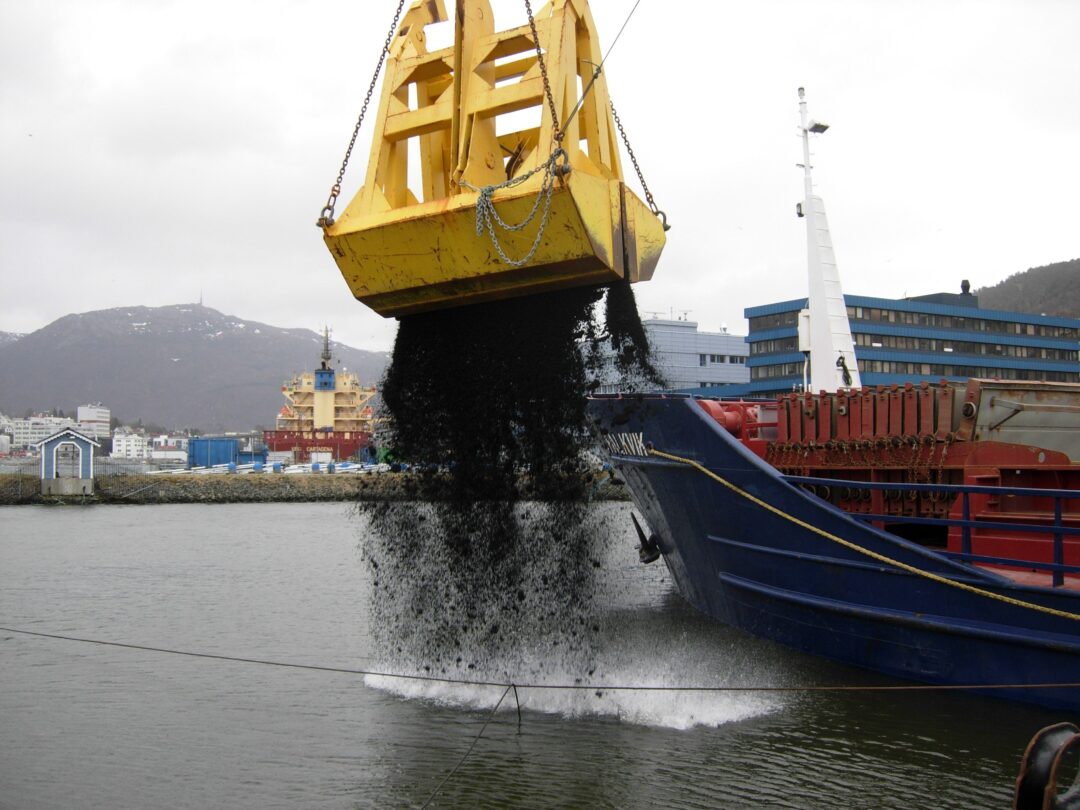
Capping of contaminated seabed is a recognised and effective method to protect both the environment and health from the spread of environmental toxins. By laying a layer of clean materials, such as sand, gravel or specially adapted materials, a physical barrier is created over the contaminated sediments. This is especially important in ports, fjords and industrial areas, where the seabed often contains substances such as heavy metals, oil products or organic compounds.
Contaminated sediments can pose a significant risk to both nature and humans. Capping helps to reduce the risk of environmental toxins spreading to the water masses, improves water quality and promotes biological diversity. The method also facilitates safe and sustainable use of harbour and coastal areas in the future, and is often more cost-effective than removing the materials entirely.
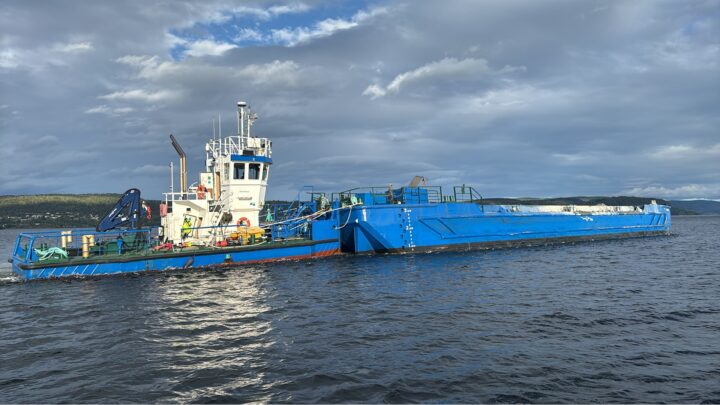
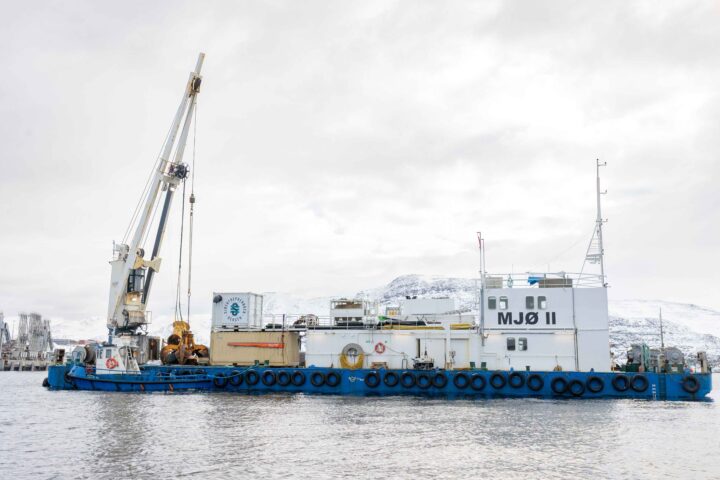
Sjøentreprenøren has extensive experience with the implementation of capping projects, also under demanding conditions. We use modern equipment that ensures precise placement of materials, and often combine capping with environmental dredging where necessary. Our methods are documented, and we follow up projects with environmental monitoring to ensure the desired effect.
Among our reference projects you will find, among others, Kleppestø quay at Askøy, Nordfjordeid and Ølen Shipyard. These projects demonstrate our ability to deliver sustainable and safe solutions in areas with strict environmental requirements.
By choosing a partner with specialised expertise in capping contaminated seabeds, you ensure:


At Sjøentreprenøren, we have high standards for the safety work carried out at the workplaces. Systematic follow-up and dedicated personnel ensure that we always work safely
"*" indicates required fields

